
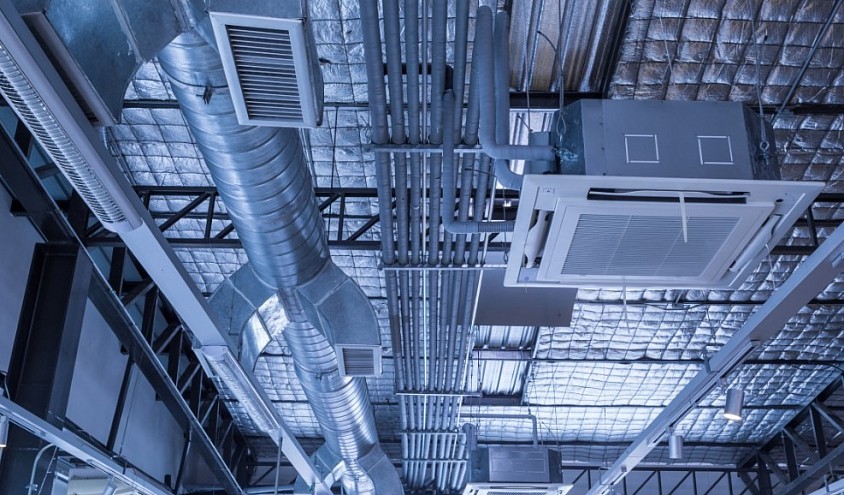
Smarter Comfort: Trends Shaping Residential HVAC in Hot, Dry Climates
How Homeowners Can Navigate Today’s Evolving HVAC Landscape
Understanding Efficiency Beyond the Label
Efficient heating and cooling begins with a whole-home mindset. While system ratings matter, performance in a hot, arid region depends on correct sizing, duct integrity, and proper airflow. An oversized system may short-cycle, leaving rooms uneven and humid after monsoon bursts, while an undersized unit strains in peak heat. Pairing the right equipment with balanced ducts, sealed penetrations, and sufficient insulation helps deliver steady comfort without unnecessary runtime.
Smart Controls and Zoning for Daily Comfort
Smart thermostats and zoning offer precision control that matches your day-to-day routine. With zoning, separate areas receive customized airflow and temperature settings, helping reduce hot spots and energy use during low-occupancy hours. Smart controls can learn patterns, fine-tune setpoints, and provide reminders for filter changes. The biggest gains come when these tools are set up to match the home’s specific layout and the family’s schedule, not just installed and left on default settings.
Heat Pumps, Paired Solutions, and Durable Components
Modern heat pumps designed for high outdoor temperatures can reliably cool through long summers and provide supplemental heat in the shoulder seasons. In many homes, dual-fuel or paired strategies allow flexible operation when temperatures swing. Components such as variable-speed compressors and electronically commutated motors deliver smoother ramps, quieter operation, and more consistent humidity control. Long-term reliability still depends on clean coils, correct refrigerant charge, and routine performance checks.
Indoor Air Quality Without Sacrificing Efficiency
Indoor air quality upgrades can work hand-in-hand with efficient cooling. High-quality filtration captures dust and allergens common in desert environments, while properly sized ventilation brings in fresh air without overwhelming the system. In tightly sealed homes, balanced ventilation helps manage indoor pollutants from cooking, cleaning, and off-gassing materials. Targeted dehumidification may be useful during monsoon periods, but should be integrated so it doesn’t force the cooling system to work harder than necessary.
A Practical HVAC Planning Checklist
When evaluating maintenance, repairs, or a new system, a structured approach prevents surprises and helps you focus on long-term value. Use this checklist to guide your next steps:
1) Load calculation: Confirm a room-by-room load calculation to support correct equipment size and sensible heat removal.
2) Duct assessment: Inspect for leaks, kinks, and inadequate returns; seal and balance to ensure even airflow.
3) Filtration and ventilation: Match filter type to household needs and verify that ventilation is balanced and code-compliant.
4) Controls and zoning: Align schedules, setpoints, and zones with actual occupancy and comfort preferences.
5) Equipment selection: Consider variable-speed options and heat pumps engineered for high ambient temperatures.
6) Installation quality: Verify line set integrity, refrigerant charge, and proper condensate management.
7) Maintenance plan: Establish seasonal service to keep coils clean, airflow on spec, and performance steady year-round.
Seasonal Maintenance Pays Off
Preventive care protects efficiency and comfort when the mercury spikes. Before summer, confirm that outdoor coils are clear of debris, filters are fresh, and condensate lines flow freely. During service visits, technicians can validate electrical connections, measure airflow, and ensure refrigerant charge aligns with manufacturer guidance. Between visits, keep vents unblocked and check that supply and return paths remain open, especially in rooms often closed off to save energy.
Planning Ahead for Upgrades
If your current system is approaching the end of its useful life, begin planning before peak season hits. Early planning allows time for load analysis, duct improvements, and evaluating whether zoning or ventilation upgrades should be bundled into the project. Thoughtful sequencing avoids rework and maximizes the benefit of each investment, from smoother temperature control to quieter operation and better air quality.
The HVAC industry is evolving toward systems and strategies that prioritize precision, durability, and whole-home performance. By focusing on correct sizing, smart controls, duct quality, and well-integrated indoor air quality solutions, homeowners in hot, dry climates can enjoy consistent comfort while managing energy use. Careful planning and seasonal maintenance bring these elements together, turning a complex set of choices into a clear path toward a cooler, healthier home.
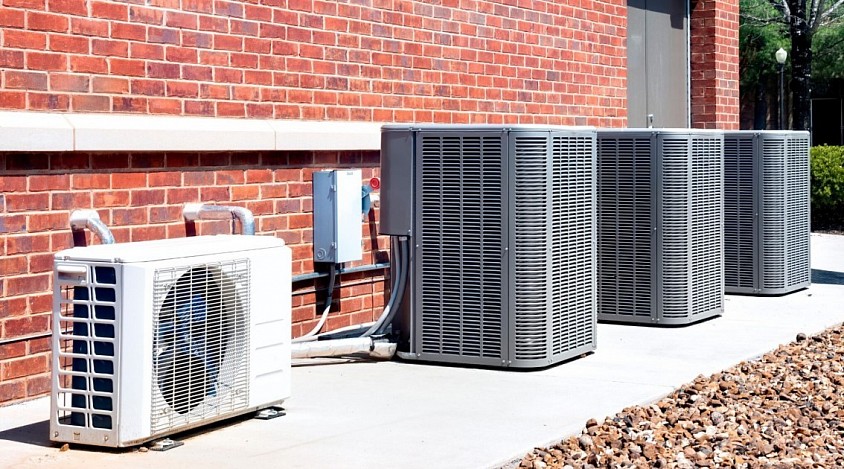
Smarter Comfort: Emerging HVAC Best Practices for Reliable Year-Round Performance
The State of Modern HVAC
Home and business owners increasingly expect quiet operation, steady temperatures, and clean indoor air without ballooning utility bills. Modern HVAC is answering with right-sized equipment, improved airflow design, and controls that learn usage patterns. Success still hinges on fundamentals: proper load calculation, duct integrity, and scheduled maintenance. Pairing these basics with thoughtful upgrades can elevate comfort while curbing energy waste.
Energy-Efficient System Design
Today’s efficiency conversation goes beyond equipment ratings. It starts with a load calculation that reflects insulation levels, window orientation, and occupancy. Oversized systems short-cycle, create humidity swings, and wear out parts faster, while undersized units struggle on peak days. Proper duct sizing, sealing, and balancing are equally critical; even efficient equipment will underperform if air can’t move as designed. Attention to airflow—returns, supply registers, and static pressure—prevents hot and cold spots and keeps systems running at their best.
Indoor Air Quality Priorities
Comfort is as much about what you don’t feel or smell as it is about temperature. Filtration upgrades can capture fine particulates that standard filters miss, supporting cleaner air and better system health. In dry or humid regions, targeted humidity control protects finishes, helps reduce allergens, and promotes stable comfort. Ventilation strategies—whether exhaust, supply, or balanced—refresh indoor spaces by diluting contaminants from cooking, cleaning, and daily living. The key is selecting components that complement the existing system and addressing the building envelope to prevent unintended air pathways.
Preventive Maintenance That Matters
Maintenance remains the most reliable way to preserve performance and extend equipment life. A consistent plan should include:
1) Filter management: Inspect monthly and replace or clean on schedule to protect airflow and components.
2) Coil care: Keep evaporator and condenser coils clean to maintain heat exchange and reduce strain.
3) Drain upkeep: Clear condensate lines and verify traps to prevent clogs and water damage.
4) Electrical checks: Tighten connections and test capacitors and contactors to avert sudden failures.
5) Refrigerant verification: Confirm correct charge per manufacturer guidance to ensure efficient operation.
6) Airflow testing: Measure static pressure and balance registers to eliminate comfort inconsistencies.
By treating maintenance as essential, not optional, systems stay efficient, quiet, and dependable during peak seasons.
Smart Controls and Grid Readiness
Smart thermostats and zoning controls help match capacity to real-world needs. Adaptive schedules, geofencing, and demand-response features reduce unnecessary runtime while maintaining comfort. In many regions, utilities encourage load shifting during peak hours; compatible controls can respond automatically, trimming energy costs without constant oversight. Monitoring tools that track runtime and temperature trends can flag issues early—like a slow refrigerant leak or a drifting sensor—so small fixes don’t become emergency calls.
Choosing a Qualified Contractor
The most advanced equipment can disappoint if design or installation falls short. Work with licensed professionals who perform a room-by-room load calculation, evaluate ductwork, and explain trade-offs among efficiency levels, comfort features, and budget. Clear proposals that outline equipment specifications, airflow targets, and warranty details help avoid surprises. Post-installation commissioning—verifying temperature splits, airflow, and control settings—closes the loop and ensures the system operates as promised.
Resilience for Extreme Weather
Heat waves, cold snaps, and dusty conditions test any system. Strategies like shading outdoor units, using high-MERV filters sized to maintain airflow, and sealing the building envelope build resilience. Backup plans for critical spaces, such as strategic zoning or supplemental ventilation, can maintain safety and comfort when conditions spike. With a balanced approach that blends design, maintenance, and smart controls, HVAC systems can deliver reliable, efficient comfort all year long.